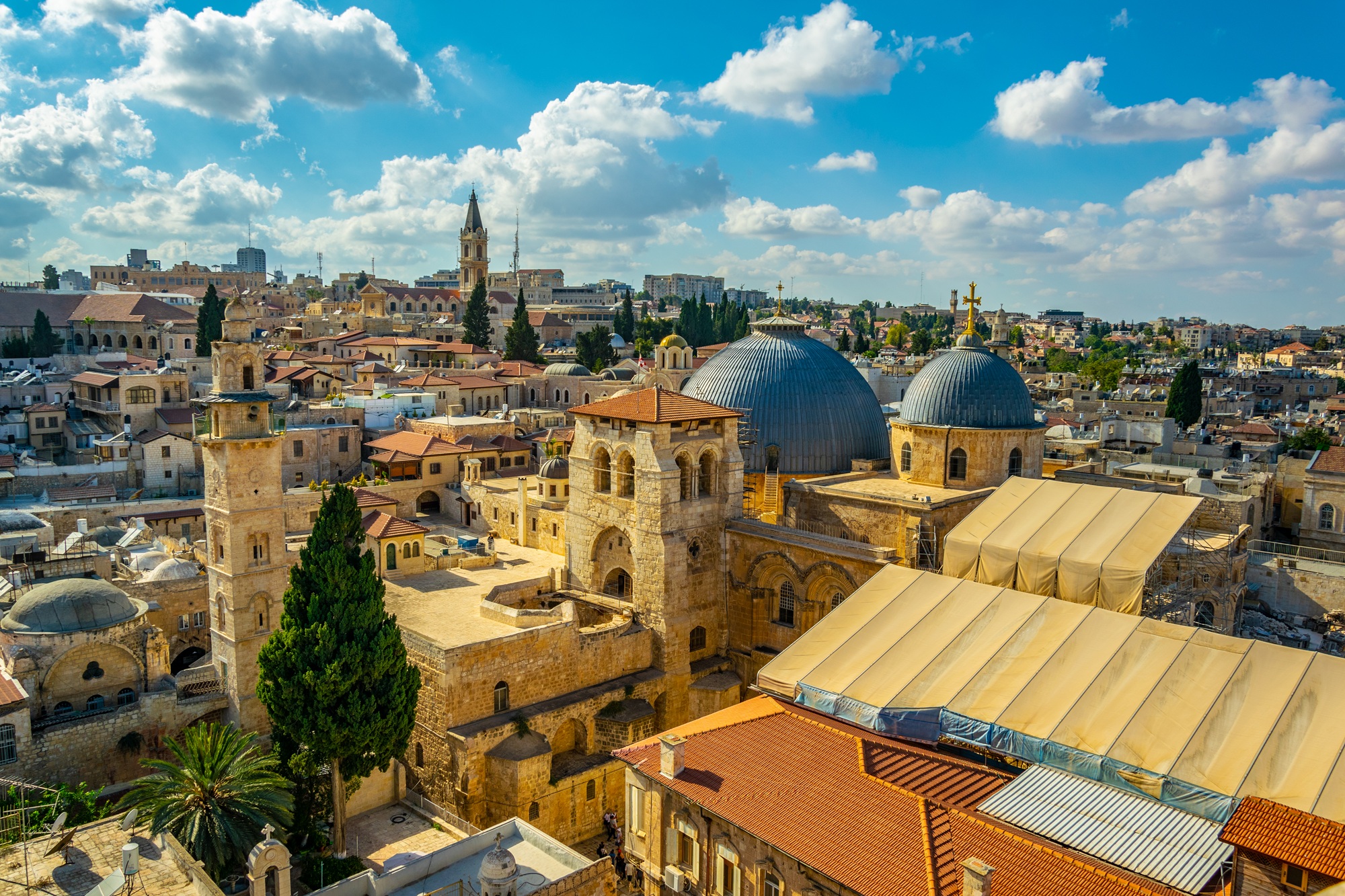
 Begin at the Church of the Holy Sepulchre, a place long revered as the site of Jesus’ crucifixion and resurrection. Its chapels and ancient stairways reflect centuries of devotion, pilgrimage, and tradition. From here, follow the Via Dolorosa, where Catholic Christian tradition remembers Jesus carrying the cross toward Golgotha. While Latter-day Saints focus more on the Garden Tomb, this walk still offers perspective on the Savior’s suffering, sacrifice, and ultimate triumph over death.
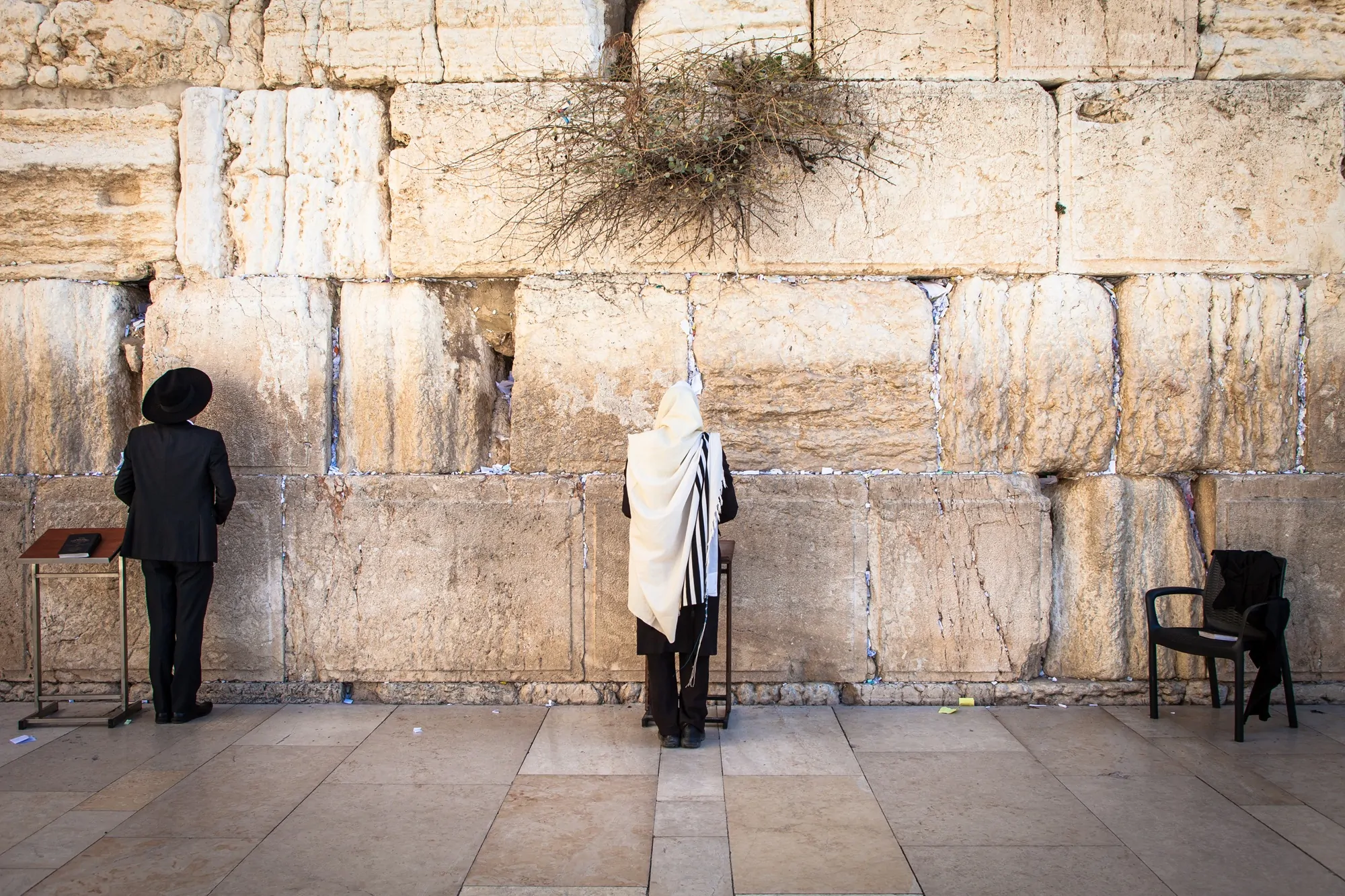 The Western Wall remains Judaism’s most sacred site, a surviving remnant of the Second Temple once visited by Jesus during His ministry. Nearby, the Herodian Quarter reveals wealthy priestly homes from the same period, decorated with mosaics and ritual baths. Some scholars suggest these palatial structures may have hosted interrogations of Jesus before His crucifixion. For Latter-day Saints, the setting deepens appreciation for Jerusalem’s role in both prophecy and fulfillment.
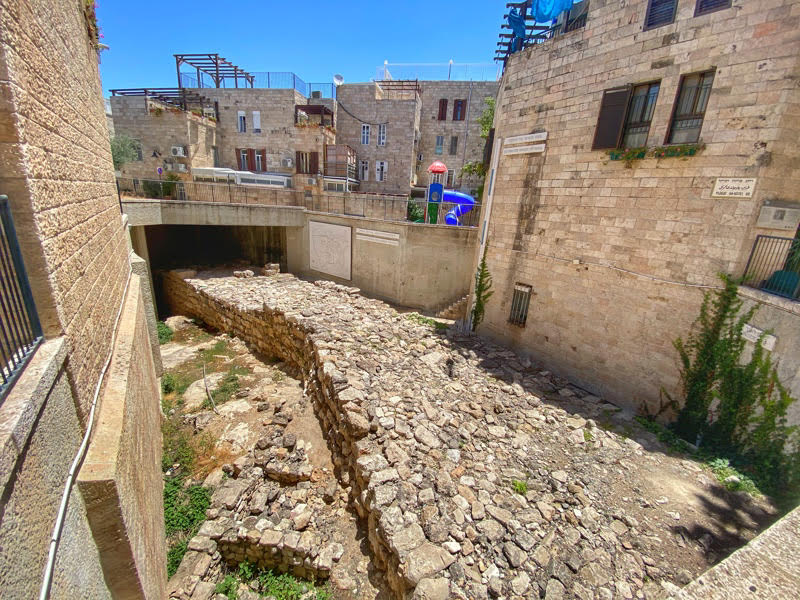 Wander through the rebuilt Jewish Quarter, where archaeological layers testify to ancient Israelite life. The Broad Wall, a massive defensive structure, recalls Jerusalem’s struggles during the days of Lehi and his family. Some Latter-day Saint scholars suggest Nephi’s “secret gate” may have been located near this area, when he and his brothers entered Jerusalem at night. Exploring these streets provides both historical insight and an imaginative lens for reading the Book of Mormon.
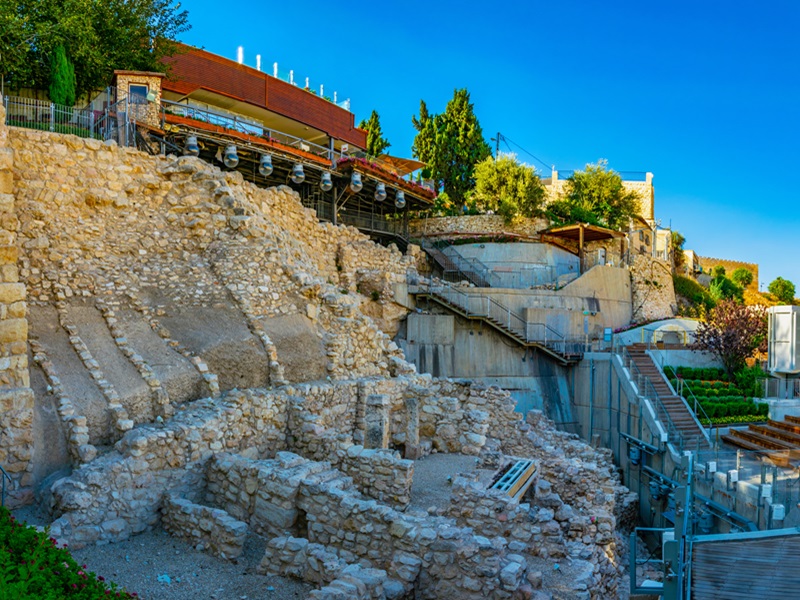 Continue to the City of David, Jerusalem’s oldest core, where kings, prophets, and common people once walked. The Gihon Spring, flowing beneath the city, supplied water for generations and may recall stories of anointed kings. Walk through Hezekiah’s Tunnel, a marvel of ancient engineering carved to protect the city’s water source. The path ends at the Pool of Siloam, where the Gospel of John recalls Jesus healing a blind man. These sites offer unique connections between physical remains and scriptural testimony.
 Start the morning at the Brigham Young University Jerusalem Center, a beacon of learning and faith overlooking the Old City. The center serves as both a gathering place for Latter-day Saints and a hub for spiritual reflection. Its terraces provide sweeping views across Jerusalem, while its interior features concerts, classes, and gospel-centered study. For many LDS visitors, standing here feels like a spiritual homecoming in the land of the Bible.
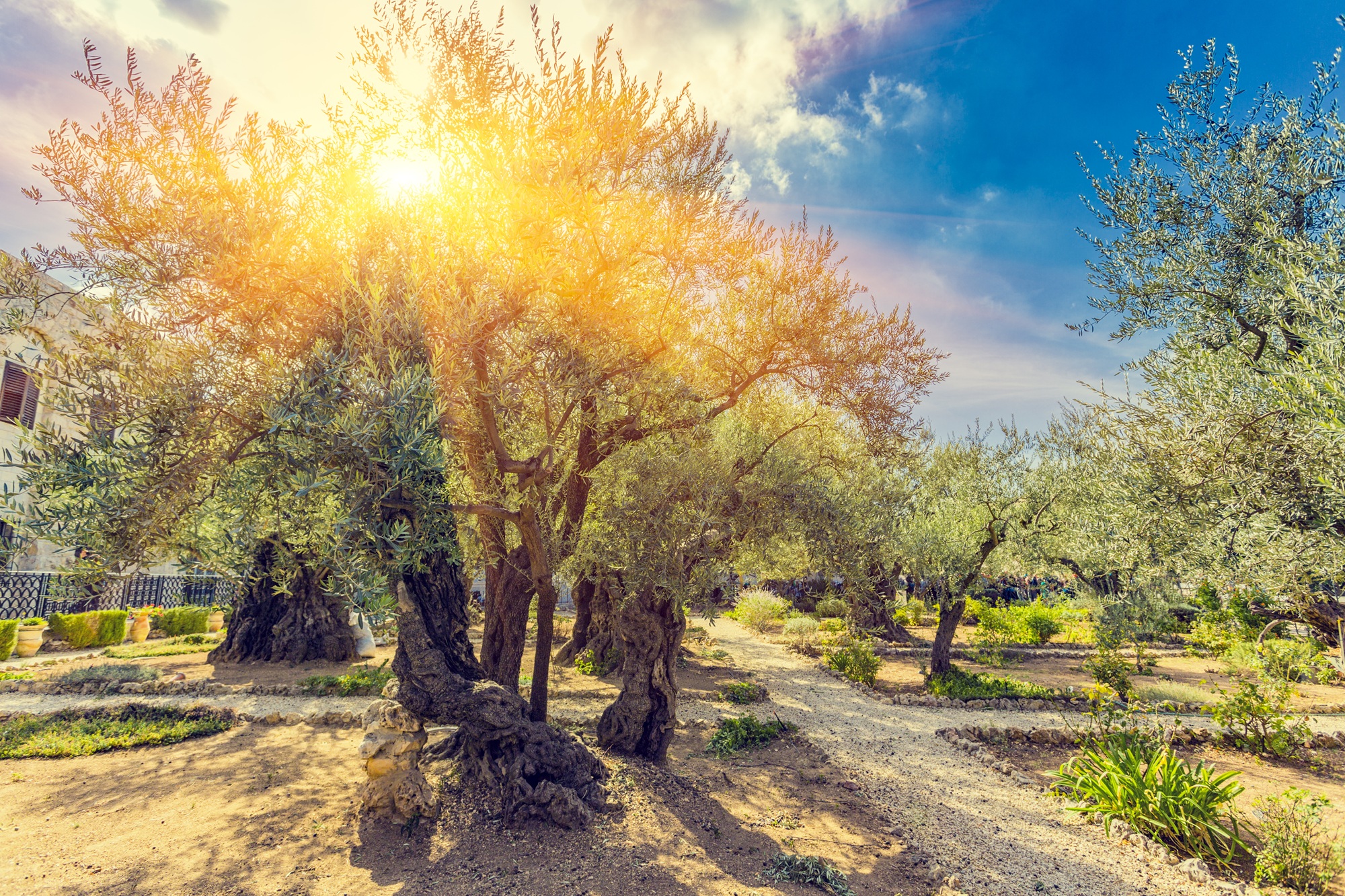 Next, drive to the Mount of Olives, where prophets and apostles once viewed Jerusalem’s skyline. Review the city and then descend to Orson Hyde Memorial Park, commemorating the apostle’s dedicatory prayer over the land of Israel. In the adjacent Garden of Gethsemane, ancient olive trees still grow where Jesus prayed and took upon Himself the sins of the world. For Latter-day Saints, this sacred site underscores the central role of Gethsemane in the Atonement, a moment of infinite love and sacrifice.
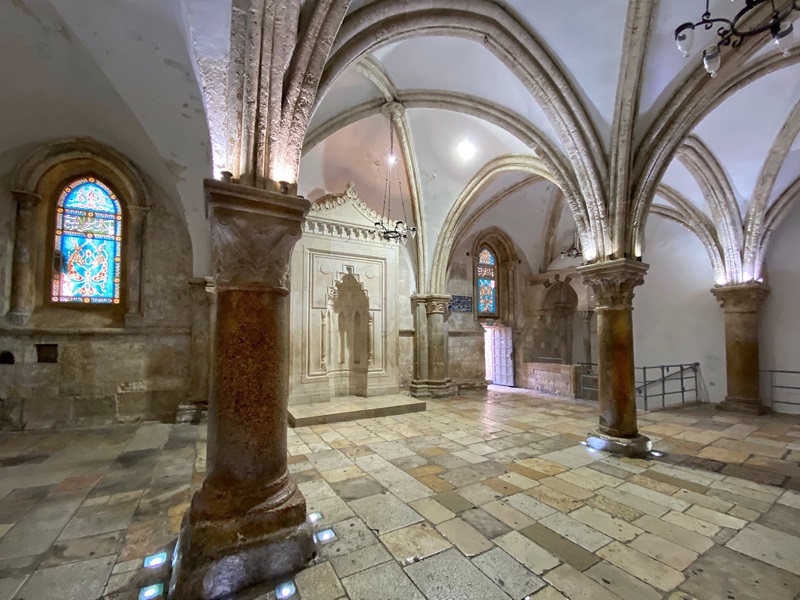 Crossing the Kidron valley, at Mount Zion enter the traditional site of the Upper Room, where Jesus gathered with his disciples. Here the sacrament was instituted, a moment foundational for Christian worship and mirrored in the weekly ordinance observed by Latter-day Saints. The hall, rebuilt through centuries, still invites quiet contemplation about covenant, remembrance, and unity in Christ.
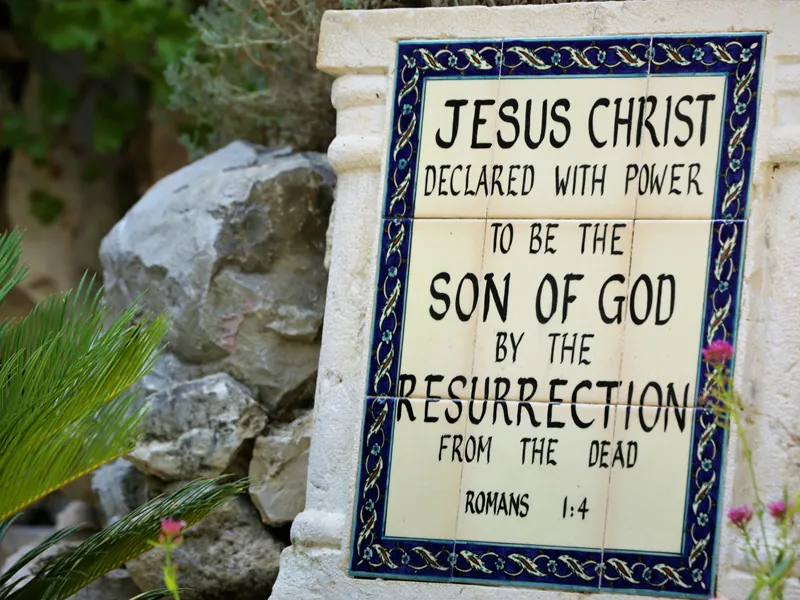 After a lunch break visit the Garden Tomb, a peaceful site cherished by many Latter-day Saints as an alternative setting for the resurrection. Surrounded by greenery and calm pathways, the tomb provides a quiet environment for prayer and reflection. The atmosphere here complements LDS devotion, offering a Christ-centered conclusion to the spiritual journey.
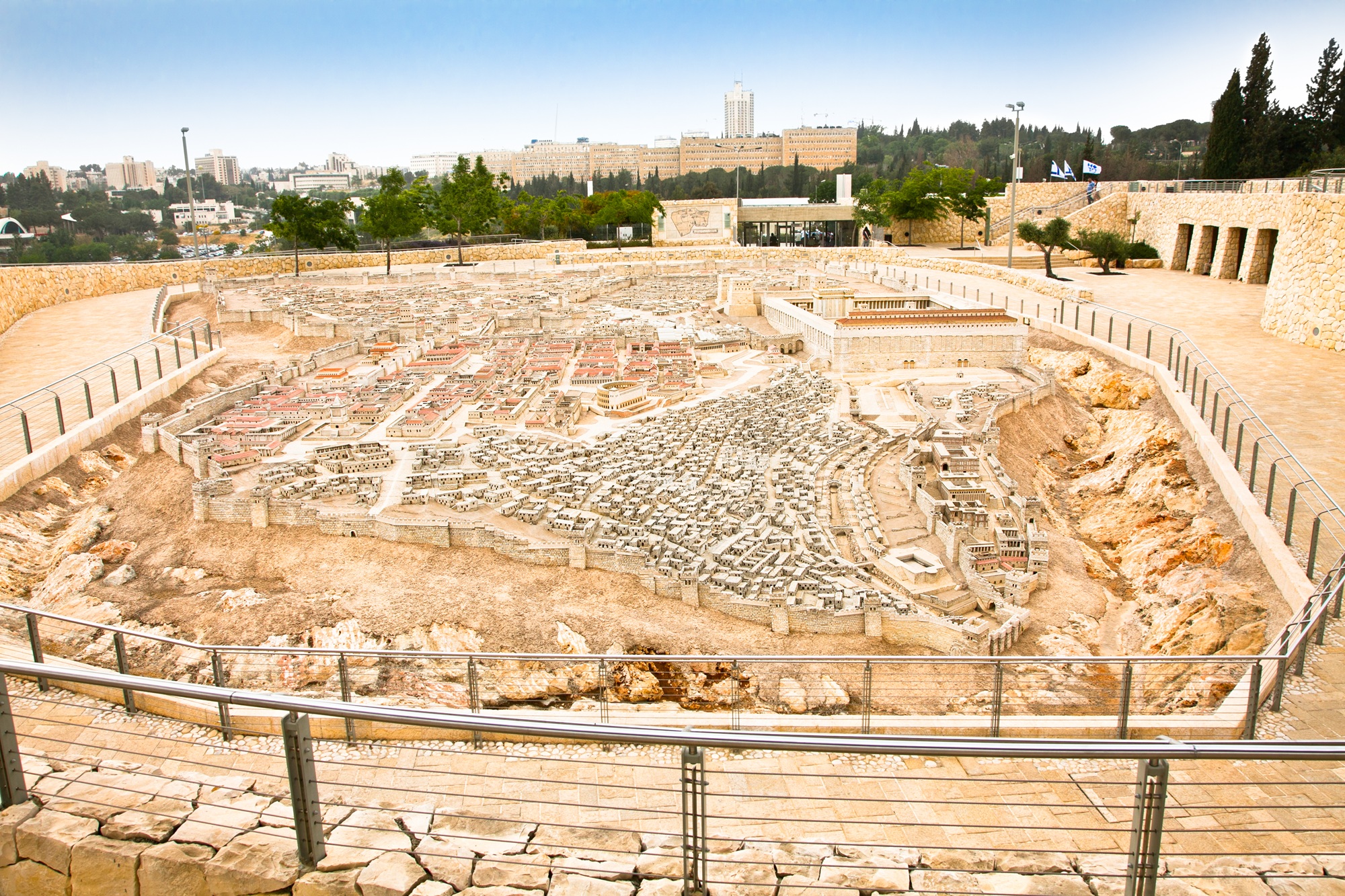 End the tour at the Israel Museum, beginning in the archaeological wing where pottery, inscriptions, and ritual objects vividly illustrate biblical scripture. These finds connect the written word of the Bible and the Book of Mormon with tangible history preserved in stone and clay. Continue to the exhibit of the Dead Sea Scrolls, which opens a window into the spiritual world of the Second Temple period. Conclude with the large outdoor model of Jerusalem in the time of Herod, offering a visual sense of the city where scripture unfolded.
Walking Where Prophets Walked
This private two-day journey through Jerusalem is designed especially for members of The Church of Jesus Christ of Latter-day Saints. Each site combines scriptural meaning with historical depth, offering insights from both the Bible and the Restoration. Participants will encounter sacred places central to Christianity while also exploring themes resonating with Latter-day Saint faith.