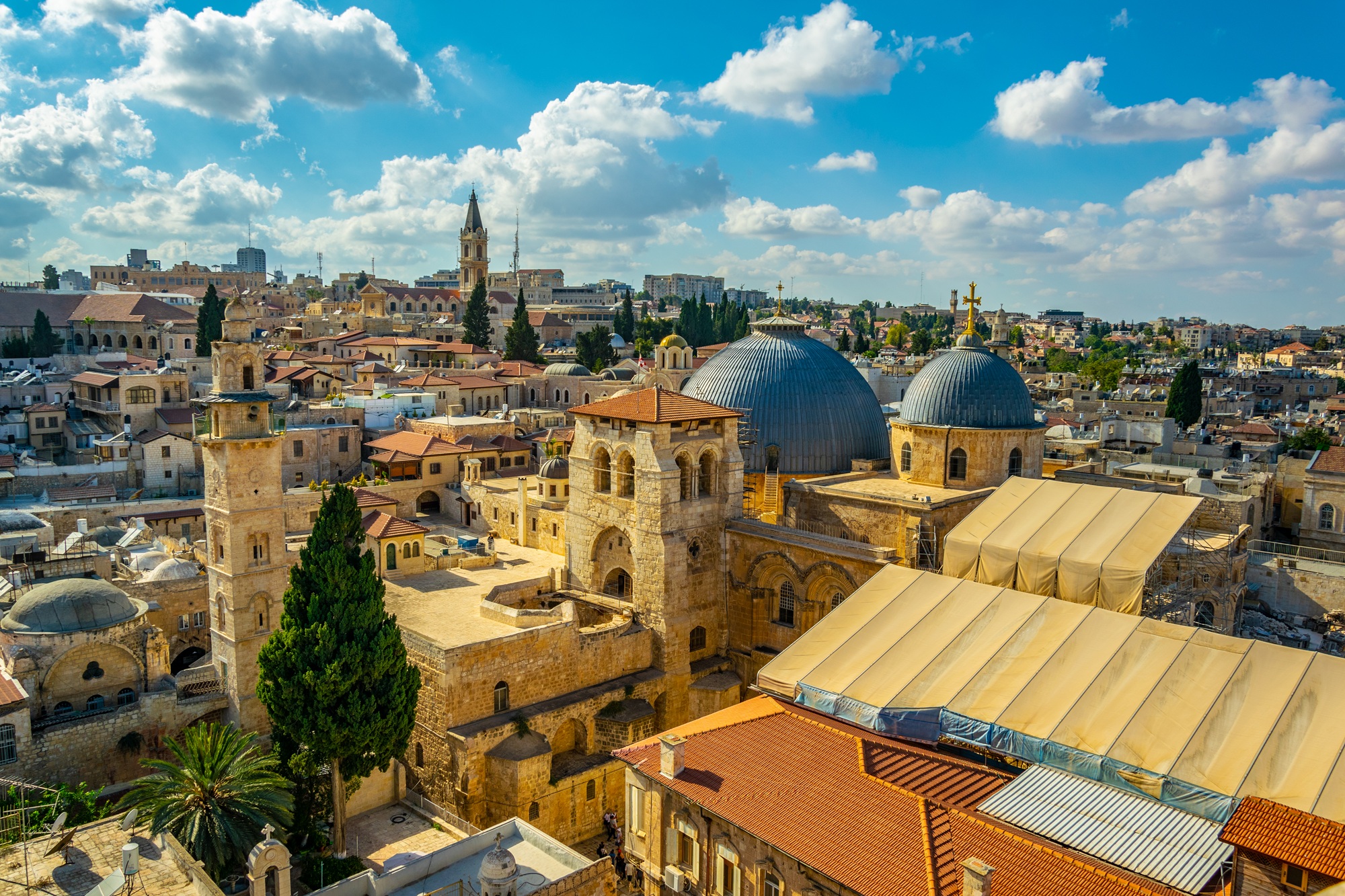
 Begin in the Old City’s Christian Quarter with a visit to the Church of the Holy Sepulchre, one of the most sacred sites in Christianity. Inside, with the help of the guide, you will reach the Stone of Anointing and the traditional tomb of Jesus with comfort. Nearby, sections of the Via Dolorosa will recall the journey of Jesus toward his crucifixion. With guidance and thoughtful pacing, the experience combines spiritual reflection with manageable exploration.
 Continue to the Western Wall, the last remnant of the Temple complex and a focal point for Jewish prayer. Seniors can approach the wall easily, touch its ancient stones, and join in its atmosphere of devotion. The nearby Jewish Quarter, well restored after 1967, offers archaeological treasures such as Roman streets and priestly homes, bringing Jerusalem’s layered history vividly to life without requiring long or difficult walks.
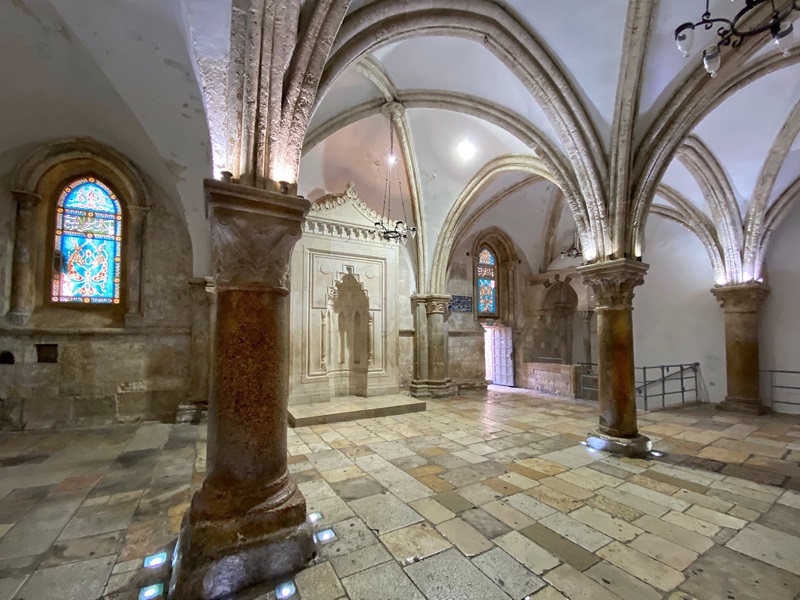 Ascend comfortably to Mount Zion, where Jewish and Christian traditions meet. Here stands the Tomb Mark of King David, a site of devotion especially popular in the past, when Jews were denied access to the Western Wall. Above it is the Room of the Last Supper, where Christian tradition locates the sharing of bread and wine before Jesus’ arrest, creating a moving intersection of faiths.
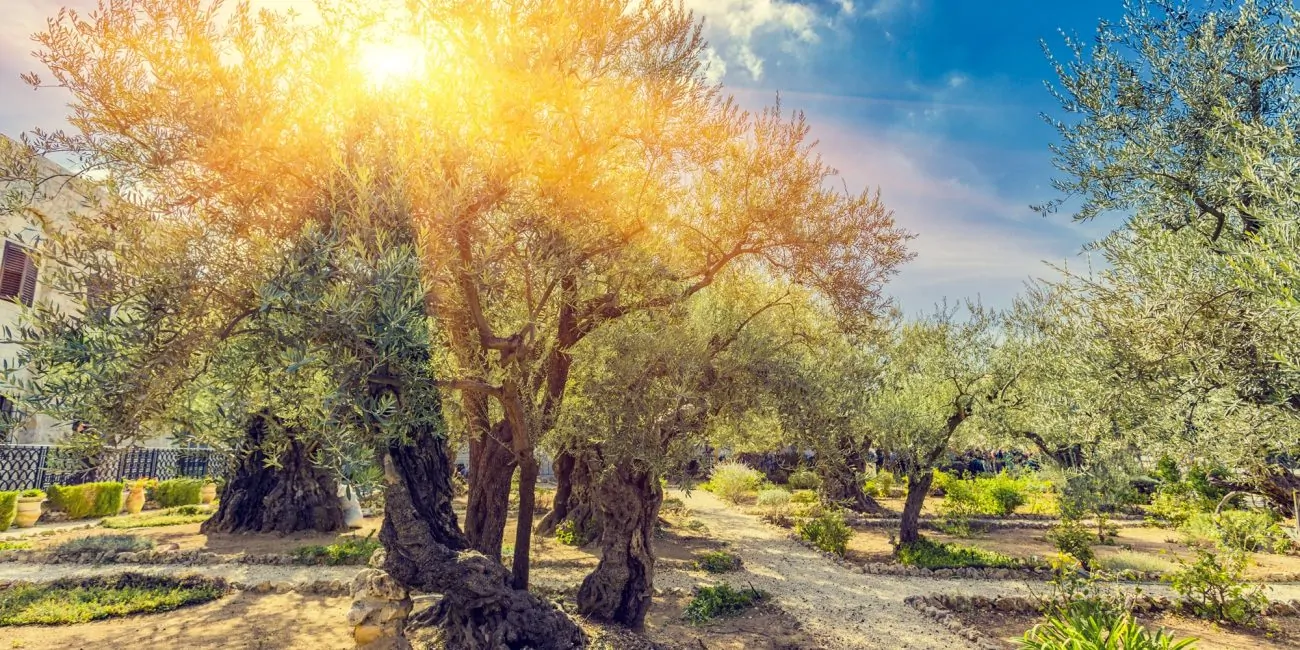
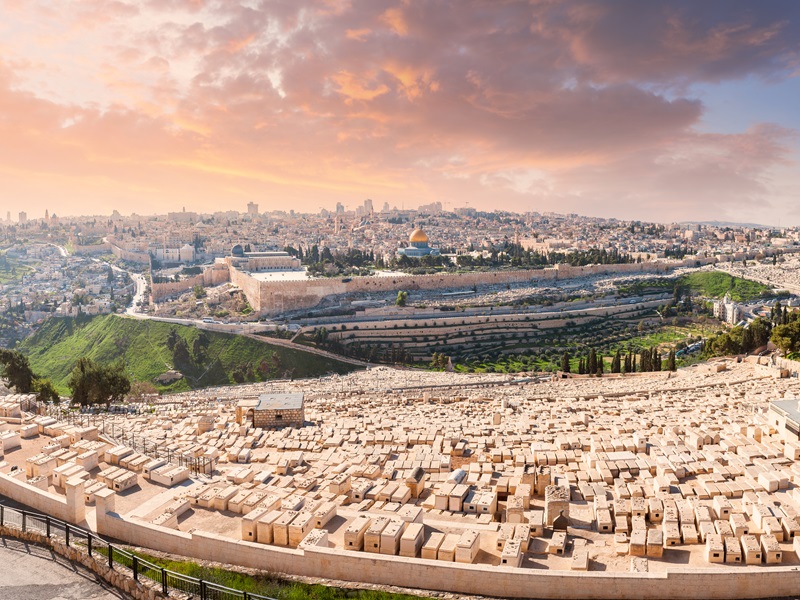 Crossing the Kidron valley, enter the Garden of Gethsemane, where ancient olive trees evoke Jesus’ night of prayer and sorrow. The paths are accessible and shaded, allowing visitors to reflect deeply without discomfort. Conclude the day with a panoramic view from the Mount of Olives, where Kings, prophets, and pilgrims looked across the city, admiring its glory. The vantage point is accessible and allows guests to take in the iconic skyline without any strenuous climbing, offering a perfect close to the day.
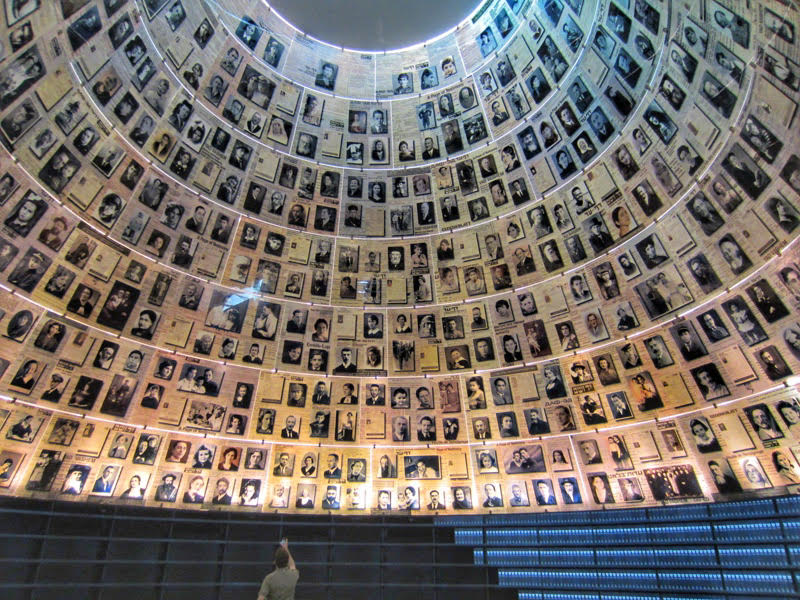 The second day begins at Yad Vashem, Israel’s official memorial to the victims of the Holocaust. The site offers an accessible journey through exhibits that recount stories of suffering, resilience, and renewal. Seniors can comfortably experience its thoughtfully designed spaces, which include memorial halls, personal testimonies, and powerful art installations.
 From there, the guide will drive you to Ein Karem, a charming village nestled in the hills of Jerusalem. Here stands the Church of Saint John Baḥarim, associated with the birthplace of John the Baptist, offering a serene and spiritually rich atmosphere. You will also have the option of enjoying a relaxed lunch in one of the village’s restaurants, a refreshing break in the middle of the day.
 The afternoon brings a visit to the Israel Museum, one of the world’s leading cultural institutions. Here you will have the opportunity to explore its most significant highlights, including the Shrine of the Book, which houses the Dead Sea Scrolls, and the large model of Jerusalem in the Second Temple period. The museum also offers exceptional collections of Jewish art and archaeology from across centuries and continents. Spacious galleries, elevators, and seating areas make the visit fully comfortable and accessible, ensuring that guests can focus on the treasures without fatigue.
 The day concludes with a scenic and lively drive through Western Jerusalem’s urban hear. Going through the Mahane Yehuda Market reveals a bustling world of vendors selling fresh produce, spices, and pastries. From the comfort of the vehicle, you can take in the vibrant colors and atmosphere without the challenge of crowded walking. Nearby, the drive continues through Mea Shearim, the ultra-Orthodox neighborhood where daily life follows traditions that date back centuries. Its modest dress, Yiddish signs, and family-centered culture provide a striking glimpse into a unique way of life, reminiscent of Eastern European communities from centuries past.
Comfortable Heritage
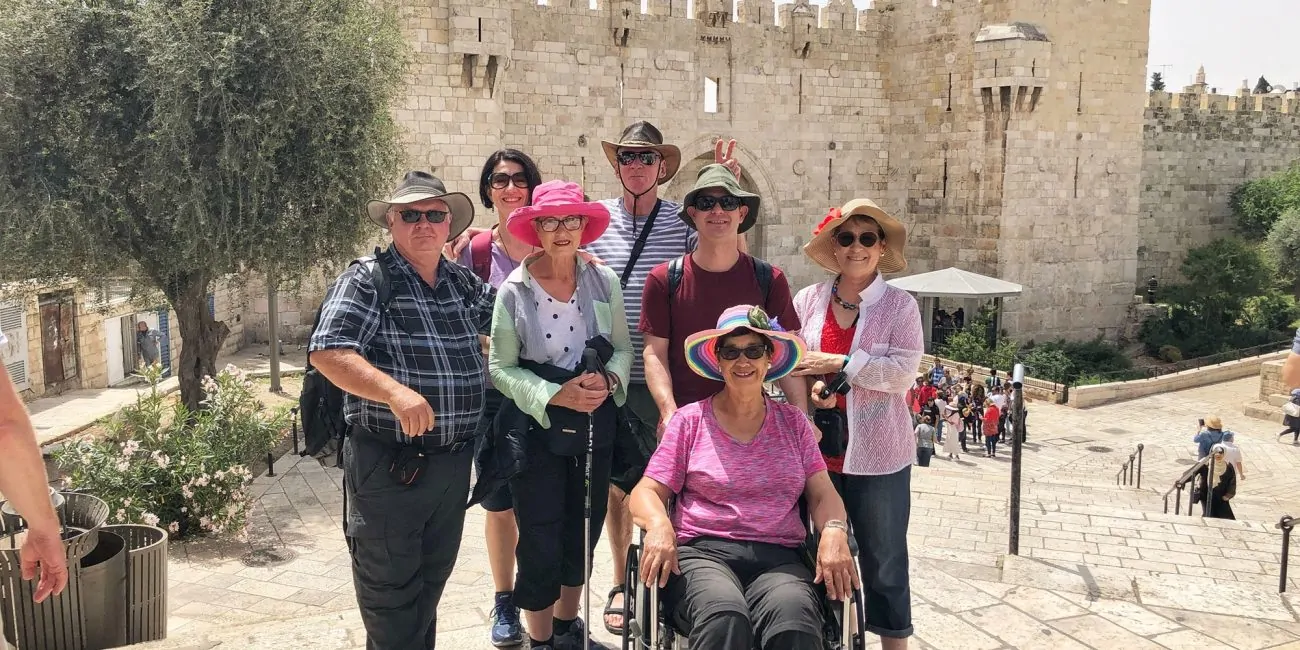
This 2-day private tour is designed for seniors and visitors with limited mobility, balancing comfort with meaningful experiences. The journey highlights sacred traditions, sweeping views, and cultural treasures at a relaxed and thoughtful pace. For added convenience, arrangements can include a wheelchair or golf cart in Jerusalem’s Old City.