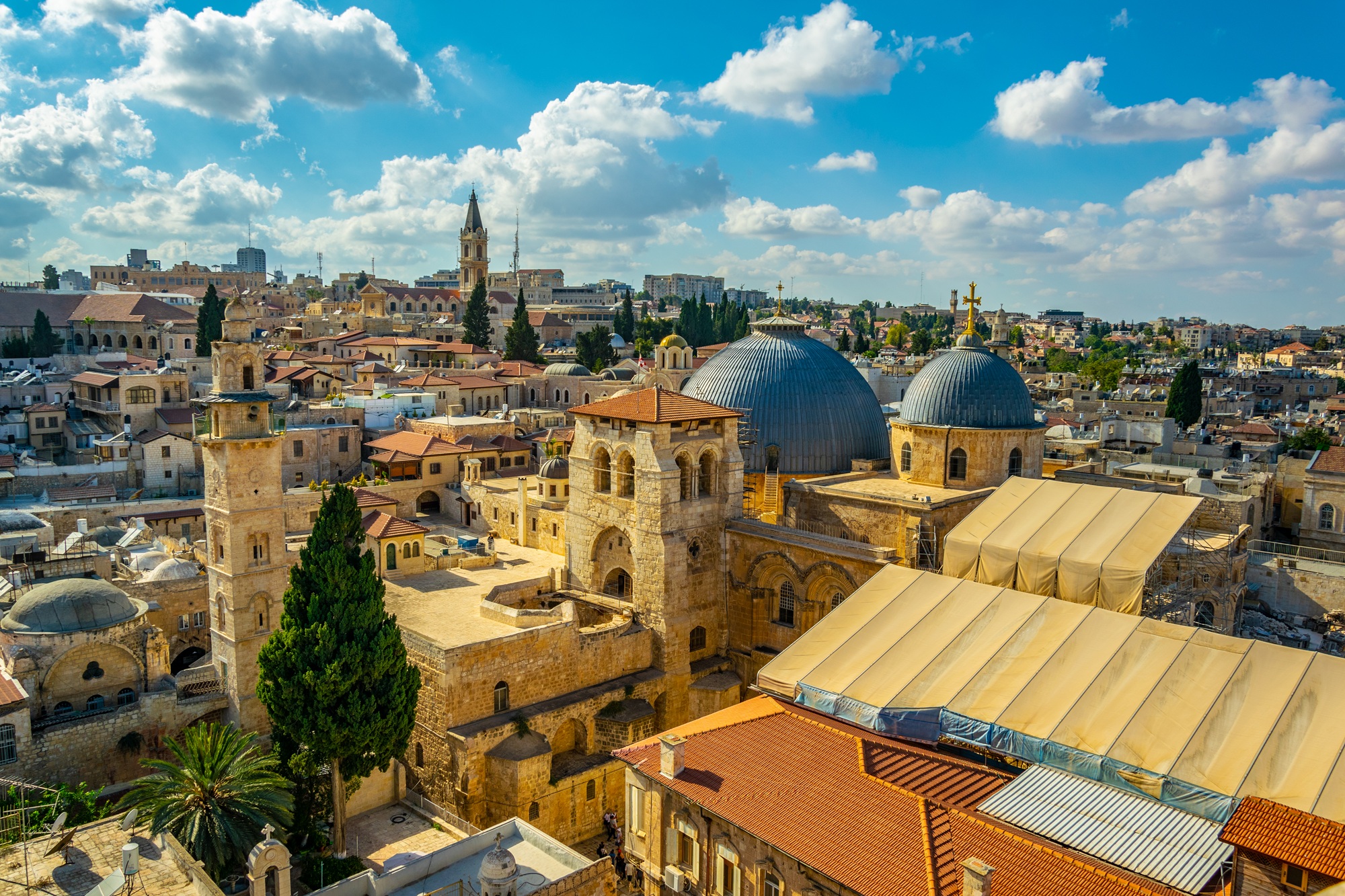
 Begin in the Christian Quarter, following the Via Dolorosa, the path traditionally marking Christ’s final walk to the crucifixion. The route leads to the Church of the Holy Sepulchre, revered as the site of Jesus’ death, burial, and resurrection. Within its walls, visitors encounter chapels, shrines, and stone steps worn by centuries of devotion. For Latter-day Saints, the experience offers insight into the enduring Christian veneration of these places while deepening appreciation for the Savior’s infinite sacrifice.
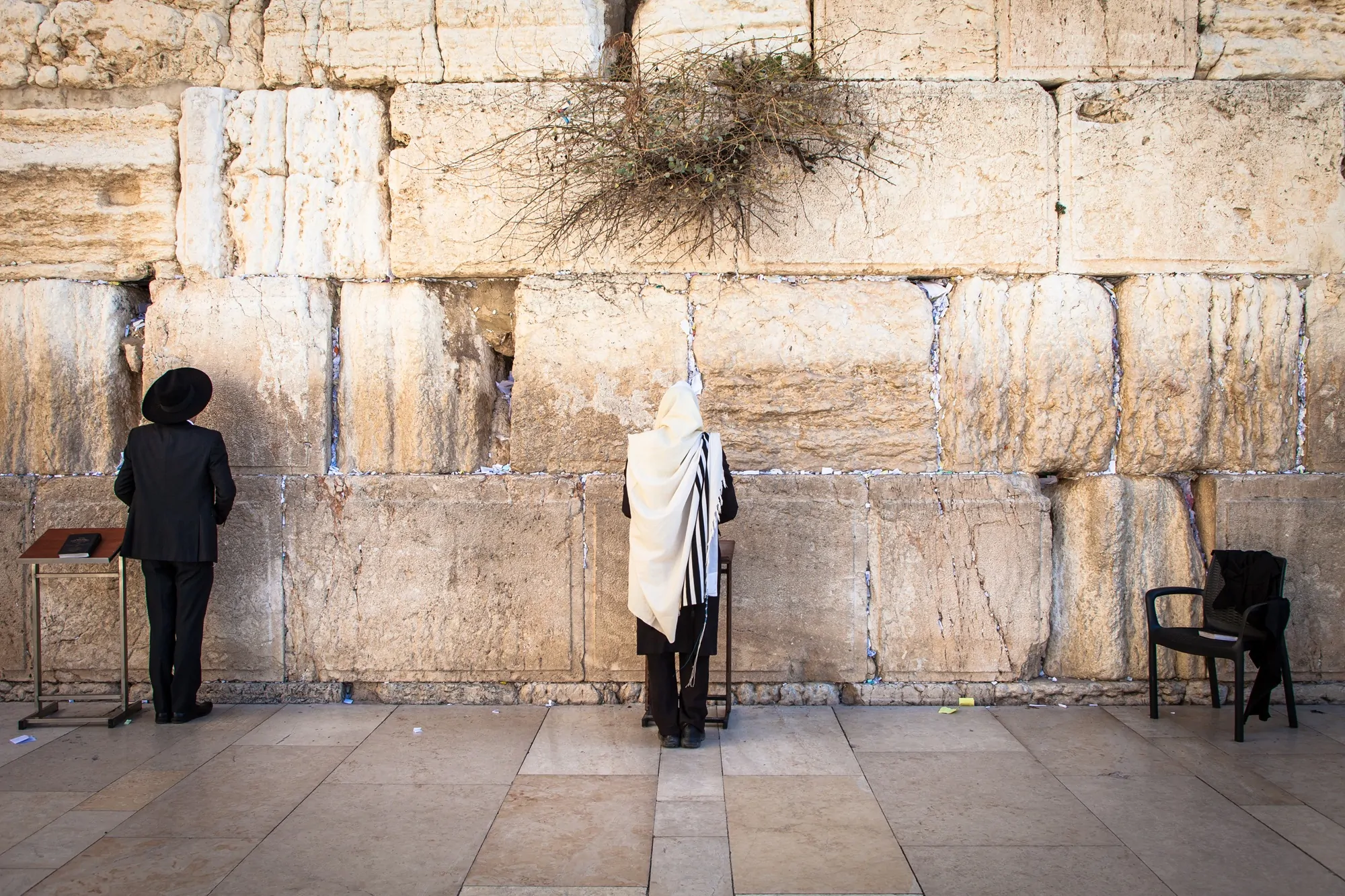 Continue to the Western Wall, one of the most sacred site in Jewish history, and feel the reverence surrounding this remnant of Herod’s Temple. The nearby Jewish Quarter presents layers of biblical and later history, including the massive Broad Wall from the time of the bible. Some scholars have even suggested that this area could preserve hints of Nephi’s possible entry into Jerusalem seeking the family’s genealogical lists. Exploring its ancient streets gives LDS visitors a chance to connect to scripture with visible archaeology.
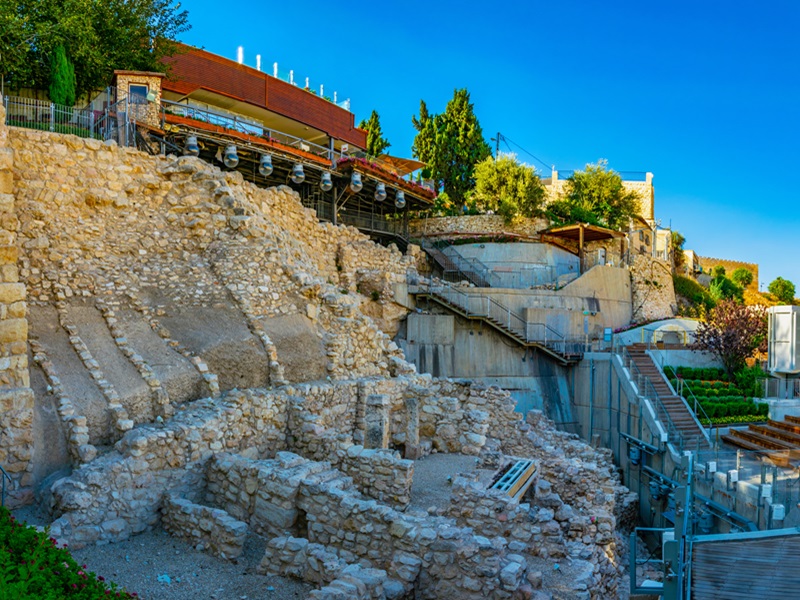 After a lunch break, descend to the City of David, the oldest settled part of Jerusalem. Here, discoveries such as a cultic platform have been associated by some with Melchizedek and ancient worship practices in Canaanite Jerusalem. The site also preserves Hezekiah’s Tunnel, carved to protect the city’s water during Assyrian threats, ending at the Pool of Siloam, where Jesus healed a blind man. Walking through these remains, LDS visitors can reflect on the convergence of Old Testament history, New Testament miracles, and Book of Mormon traditions tied to Jerusalem.
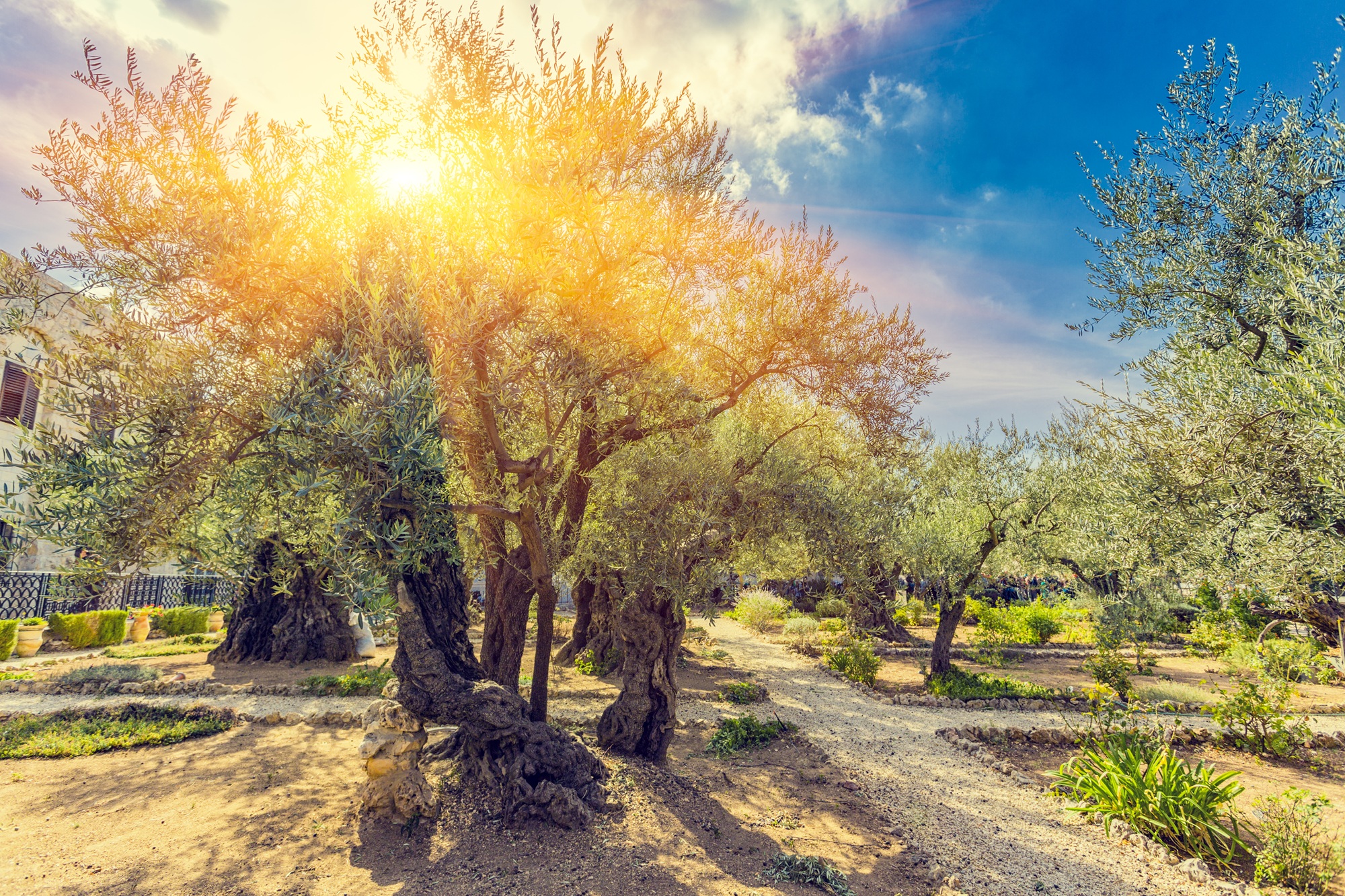 Crossing the Kidron valley, reach the Garden of Gethsemane, where ancient olive trees stand as living witnesses of the place where Jesus prayed in agony before His arrest. Consider also a visit to the adjacent Orson Hyde Memorial Garden, dedicated to the Apostle’s prayer of dedication over this land in 1841. End the day on the Mount of Olives, overlooking the holy city in a panorama of domes, walls, and valleys. For LDS visitors, this view links biblical prophecy, Christ’s ministry, and the Restoration’s sacred ties to Jerusalem.
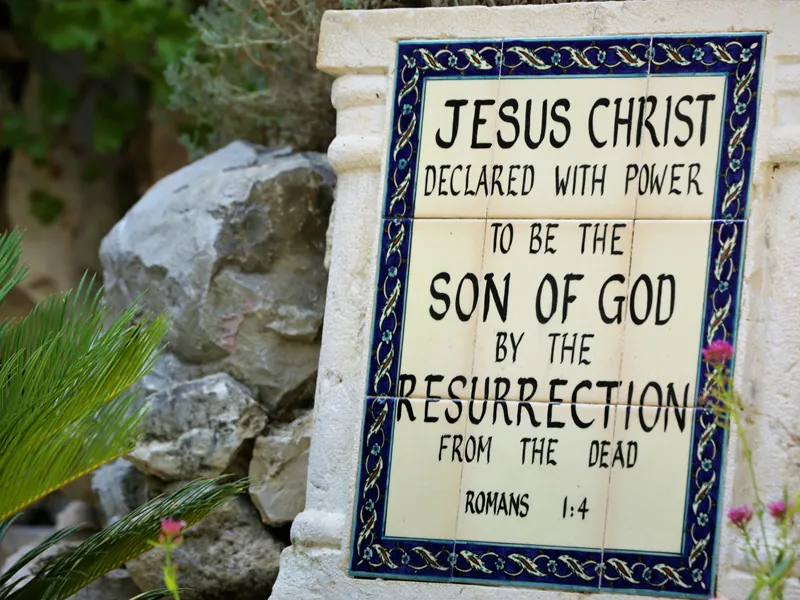 Begin the day at the Garden Tomb, a serene site cherished by many Latter-day Saints as an alternative location for Christ’s burial and resurrection. A nearby cliff bears a skull-like appearance, which led to the suggestion that this may be Golgotha, the “place of the skull.” The rock-hewn tomb, together with the peaceful gardens, provides a setting for prayer, hymn singing, and reflection on the Savior’s triumph over death.
 Traveling west into the Shephelah, the first stop will Tel Beth-Shemesh, where the Ark of the Covenant returned after being captured by the Philistines. Excavations reveal fortifications, houses, and storage areas that speak of daily life in Israelite times. Moreover, in 2019, archaeologists uncovered a large stone slab which some suggest may have served as the resting place of the Ark. Standing on this tel, visitors can imagine the Ark’s return and connect with the covenant promises central to Israel’s faith and Restoration theology.
 Continue to the Elah Valley, the battlefield where David confronted Goliath. From Tel Azeqah, the landscape of the Philistine and Israelite armies unfolds clearly while pebbles from the valley floor recall the story of David’s courage. For LDS visitors, this valley exemplifies faith overcoming fear, a principle as relevant in spiritual battles today as it was in biblical times.
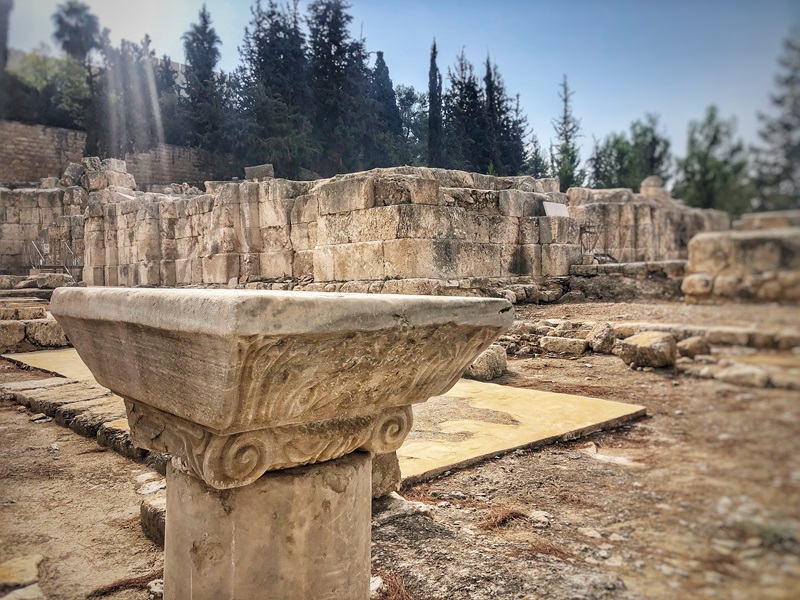 Conclude the day at Emmaus, identified by tradition as the place where the resurrected Jesus appeared to two disciples. Archaeological remains here include commemorative churches built during the Byzantine and Crusader periods, erected over earlier layers that may date to the first century. These remains suggest continuity of tradition, identifying this as the place of Jesus’ miraculous appearance. This powerful story resonates deeply with Latter-day Saints’ emphasis on personal revelation and witness of Christ.
 For those wishing to extend the experience, on the weekends, an off-road excursion can be arranged to Beit Lehi, an archaeological site in the southern Shphela. Some LDS scholars propose that it may connect with traditions related to Lehi of the Book of Mormon. The rugged journey adds a sense of discovery and adventure, a great way to conclude the intense biblical journey.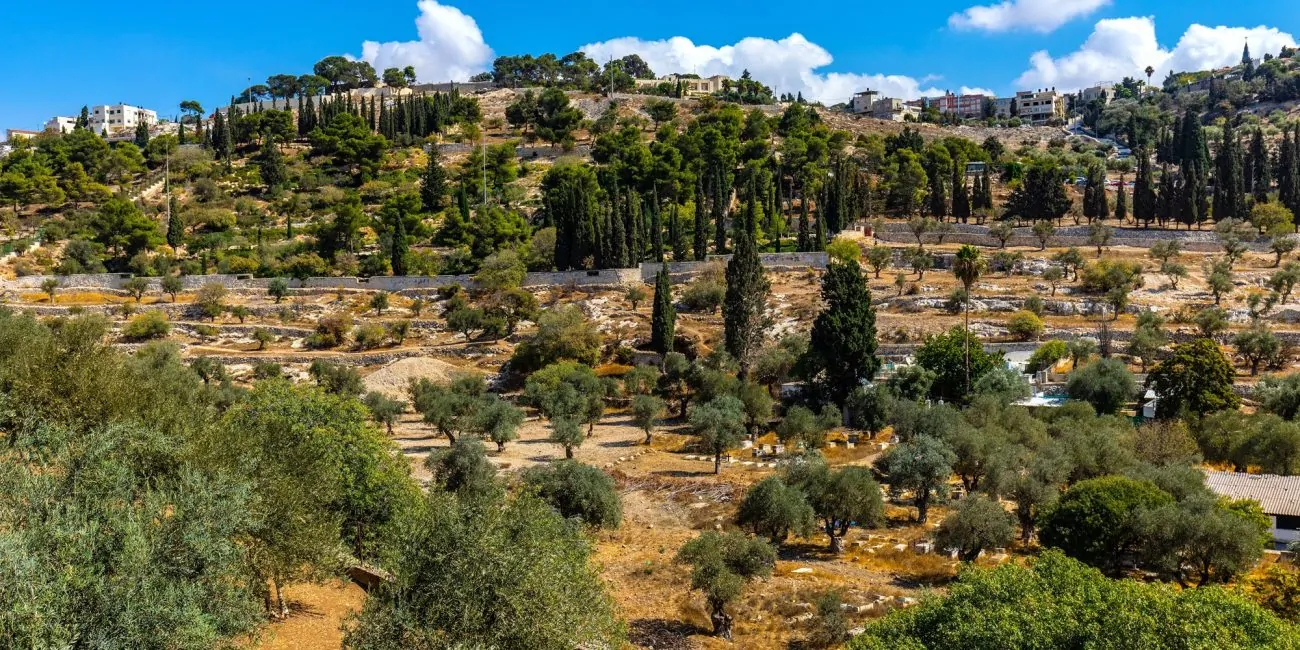
Sacred Covenant Landscapes
This 2-day journey has been designed especially for Latter-day Saint visitors wishing to experience the holy city of Jerusalem alongside the biblical heartland of the Judean Foothills (Shephelah). The itinerary combines iconic Christian sites, places of ancient Israelite heritage, and locations connected to Restoration scripture and tradition.