Tracing Ancient Steps: The Pilgrimage Road in Jerusalem
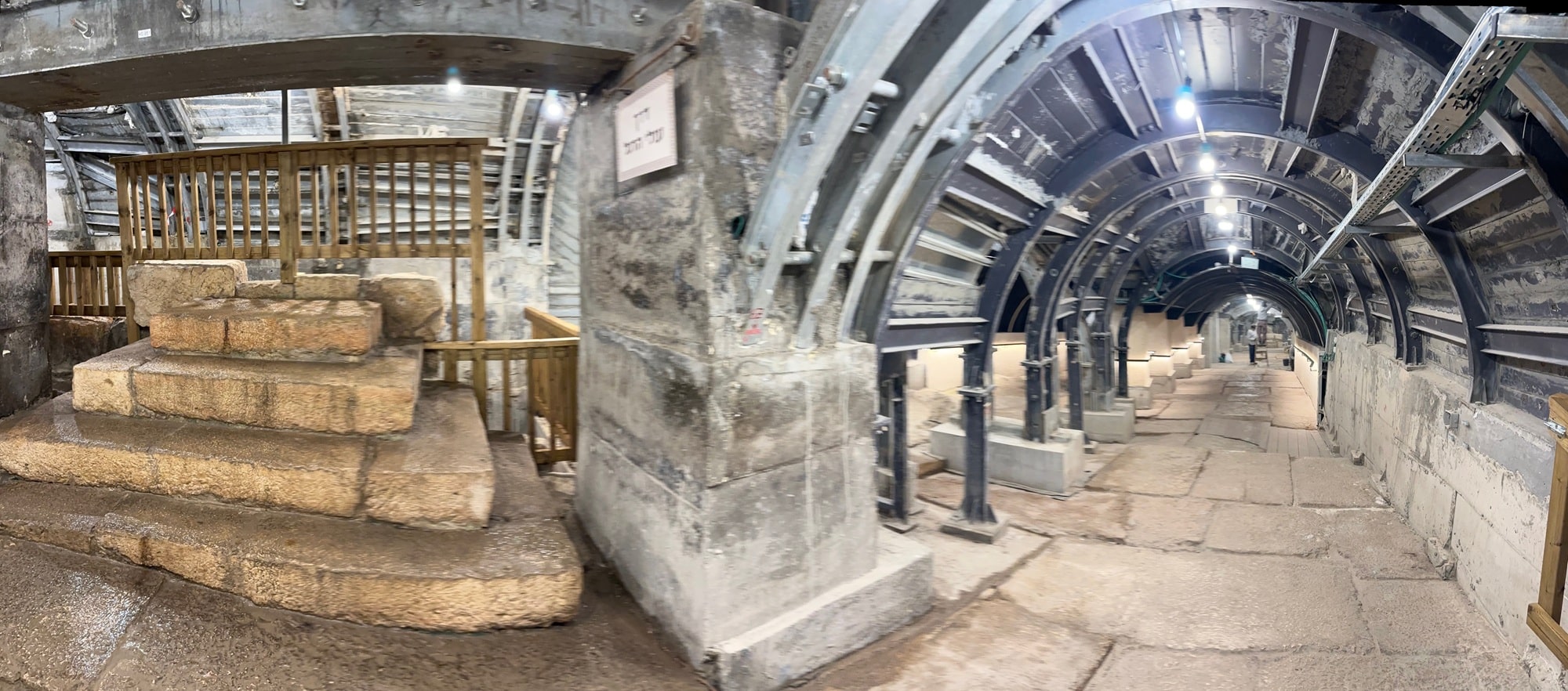
Jerusalem is a city where every stone tells a story, but few paths offer a more direct connection to the past than the Pilgrimage Road. This monumental thoroughfare, recently fully revealed, served as the primary artery for millions of pilgrims ascending from the Pool of Siloam to the Second Temple during the three major Jewish festivals.
A Century of Discovery
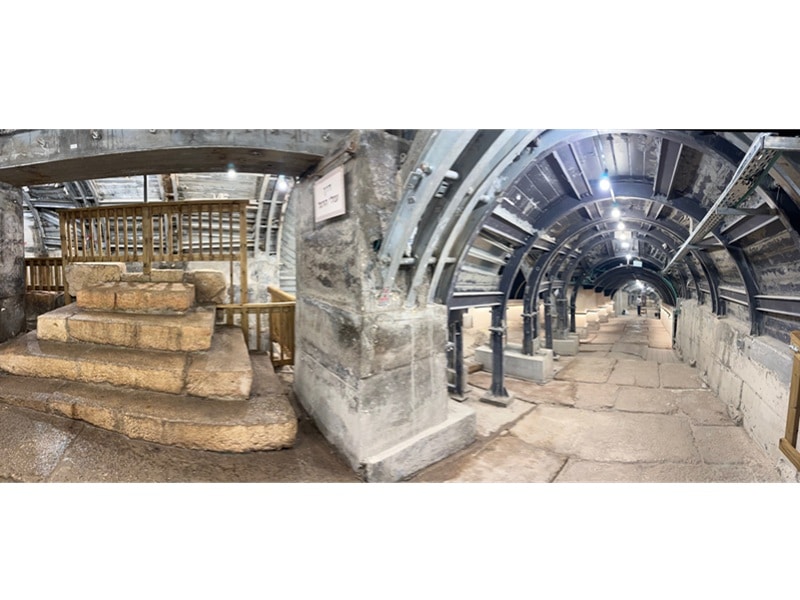
The story of its uncovering spans over a hundred years. While the first fragments of the road were identified by archaeologists in the early 20th century, the vast majority of the path remained hidden beneath the modern neighborhood of Silwan. It wasn’t until 2012 that an ambitious, large-scale project was launched to expose its full length. Sponsored by the Elad Organization, the excavation was a feat of modern engineering, conducted primarily in a subterranean tunnel to preserve the homes above. This monumental effort was finally completed in 2025, allowing visitors to see and walk along the road in its entirety for the first time in nearly two millennia.
Scale and Preservation
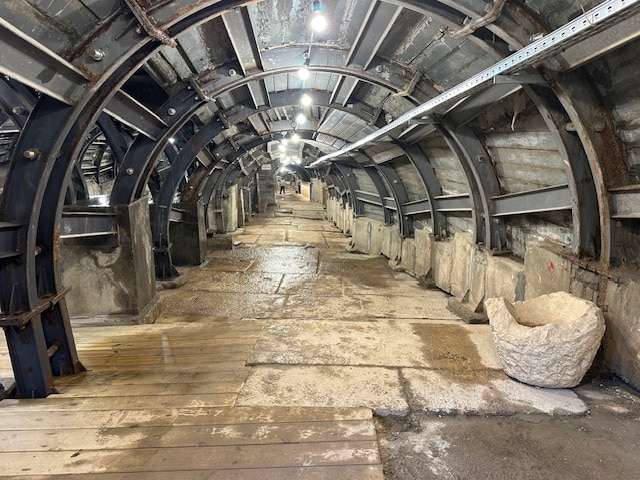 The road is a marvel of Herodian architecture. It stretches for over 600 meters, from the Pool of Siloam to the southern gates of the Temple Mount. Its scale is immense, with a width that varies from 8 meters to a staggering 50 meters at the Pool’s plaza. Interestingly, archaeologists found many of the paving stones in pristine condition with virtually no erosion. This suggests that the road was likely completed only shortly before the Roman conquest of Jerusalem in 70 AD. That means that it was used for a relatively brief period before the city and the Temple were destroyed.
The Christian Connection: Walking with Jesus
For the Christian world, the Pilgrimage Road is more than a historical site. Its discovery provides a tangible stage for several key moments in the life of Jesus.
 A. The Path of the Messiah: Given its status as the main route to the Temple, it is highly likely that Jesus walked these very stones during his visits to the Holy City.
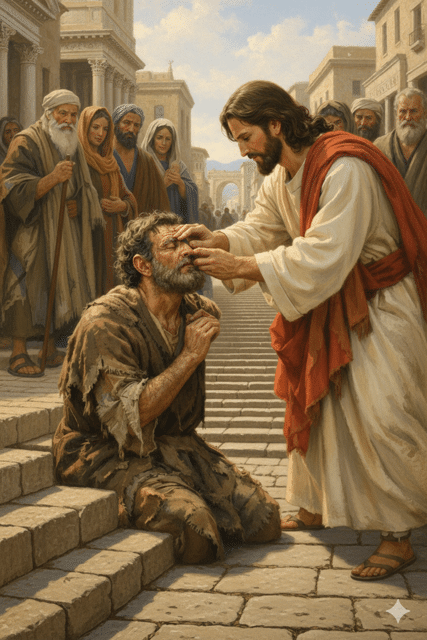
B. The Miracle at Siloam: The road begins at the Pool of Siloam. It is likely along this route that Jesus encountered the man born blind, placed mud on his eyes, and instructed him to walk down and wash in the pool, where the man subsequently regained his sight.
C. The Cleansing of the Temple: While traditionally associated with the Temple courtyards, it is also possible that Jesus overturned the tables of the money changers and dove sellers situated in the busy commercial stalls along this road.
D. The Preaching Stand: Archaeologists discovered a unique raised stone podium along the route. This preaching stand may have been used by leaders and teachers of the era—and perhaps even by Jesus himself to address the crowds as they ascended to the House of God.
The Pilgrimage Road stands today as a bridge between faiths and centuries, inviting modern visitors to walk the same ascent that once defined the spiritual life of ancient Jerusalem.
A tour of the Pilgrimage Road can be combined with a Day tour of Jerusalem.